- 511 E Spring St, Monroe, GA 30655
- Mon–Fri 8AM–5PM
Rewiring an older home means replacing the branch circuits - knob-and-tube, aluminium or ungrounded two-wire with modern grounded cable, usually while people are still living there.
Next Gen Electric Co. rewires and remodels homes across Monroe. Before you sign anything, we'll walk the house and give you an opening count - how many holes it takes because that's the question people actually worry about.
What a typical Monroe project looks like.
GOOD Based on 12 reviews
 Posted on Google

 Jabari Blevins
Trustindex verifies that the original source of the review is Google.
Next Gen Electric Co. helped us with an electrical service upgrade in Monroe GA. They walked us through what needed to be done and kept everything organized throughout the job. The work was completed professionally, and the whole process went smoothly.Posted on Google Dante PhelpsI had a great experience with Next Gen Electric Co. when I needed a licensed electrician in Monroe GA. They were professional, arrived on time, and explained the work clearly before getting started. Everything was handled carefully, and I was happy with the service.Posted on Google
 Milton E. WadeWe hired Next Gen Electric Co. for a lighting installation in Monroe GA, and they did a really nice job. The crew was punctual, careful around the house, and made sure all the lights were working properly before leaving. Very happy with the finished work.Posted on Google
 Perry TannerCreativity made the difference in our outdoor patio heater project with Next Gen Electric. The heaters were at the opposite end of the house from the breaker panel, requiring a panel upgrade and careful routing of power through the attic, behind exterior walls, and through the patio ceiling to the control switches and each heater. The team found thoughtful ways to conceal the heavy-duty wiring, keeping the patio’s appearance residential rather than industrial. They positioned the heaters to warm two separate areas, with independent controls so we can heat either area as needed. They accomplished all of this within a reasonable budget. We appreciated their practical problem-solving and attention to both function and appearance!Posted on Google
 Nice MNext Gen Electric Co. did a circuit installation in Monroe GA for us, and I was impressed with how organized the work was. They took the time to explain what they were doing and finished everything cleanly. The whole process was straightforward and professional.Posted on Google
 James PetersonI had Next Gen Electric Co. handle an EV charger installation in Monroe GA, and everything went smoothly. They explained the setup beforehand, completed the installation neatly, and made sure the charger was working properly. Great experience from start to finish.Posted on Google
 David R McCuneCalled Next Gen Electric Co for an EV charger installation in Monroe GA after struggling to find a reliable electrician. They walked me through the whole process, gave me an upfront quote, and had everything installed the same week. Since then I've also used them as my go-to electrician in Monroe GA for smaller repairs. Always professional and on time.Posted on Google
 Mike JohnsonI needed an electrician in Monroe GA for some panel work and called Next Gen Electric Co after a friend recommended them. They showed up on time, explained everything clearly, and finished the job without any issues. I also had them do EV charger installation in Monroe GA for my garage, and it works perfectly. Fair pricing and honest service. Highly recommend them to anyone looking for a reliable electrician in the area.
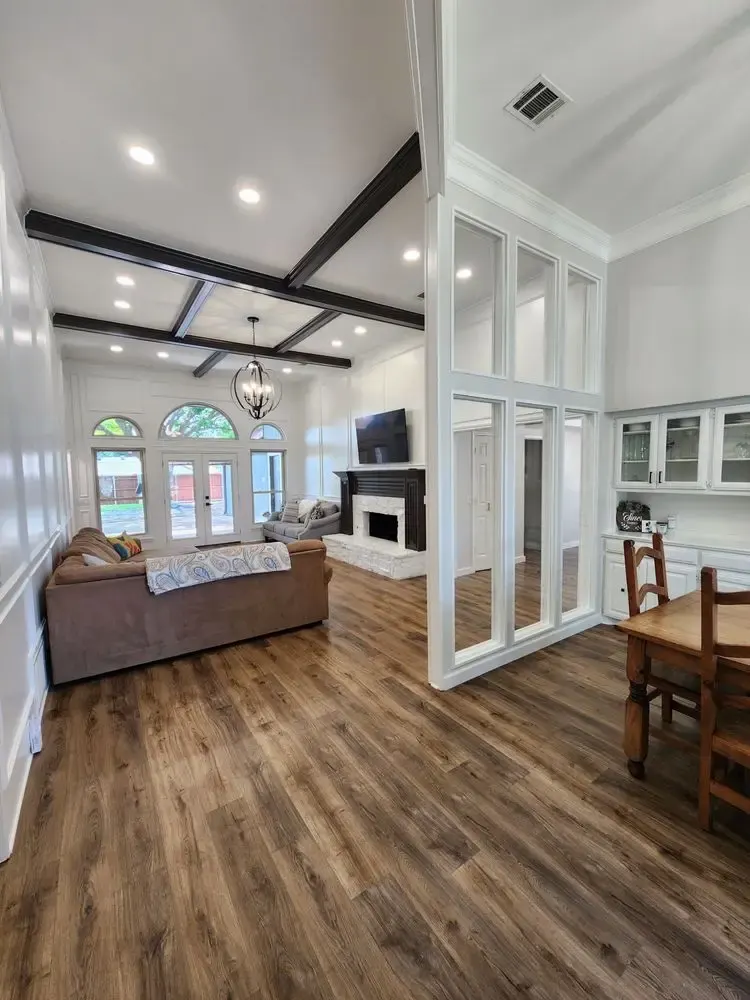
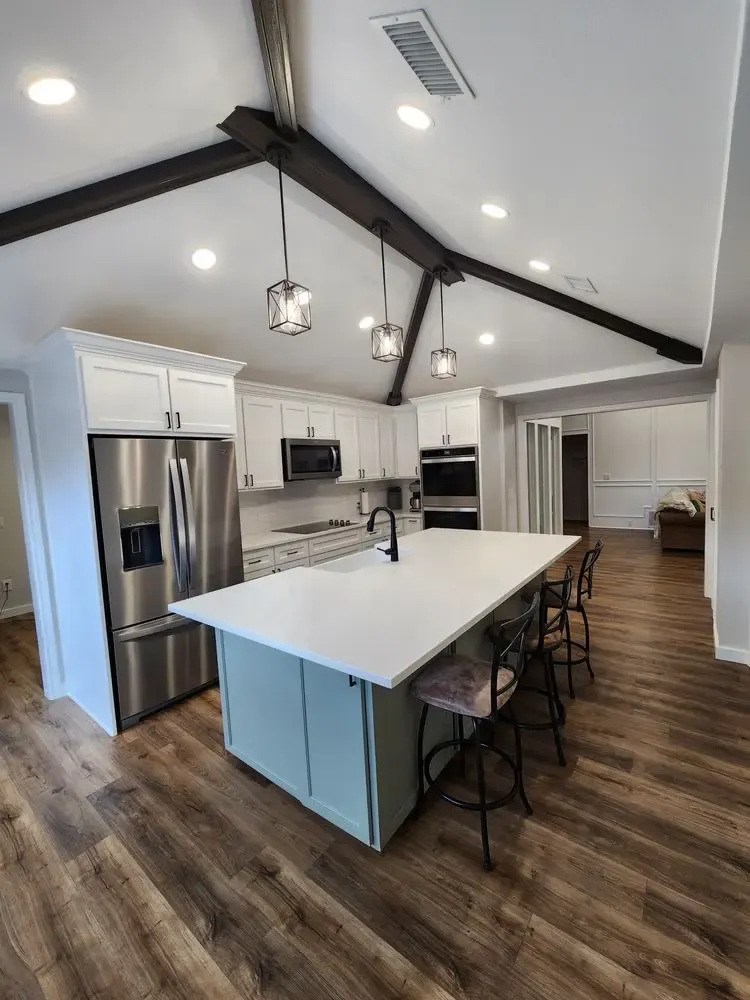
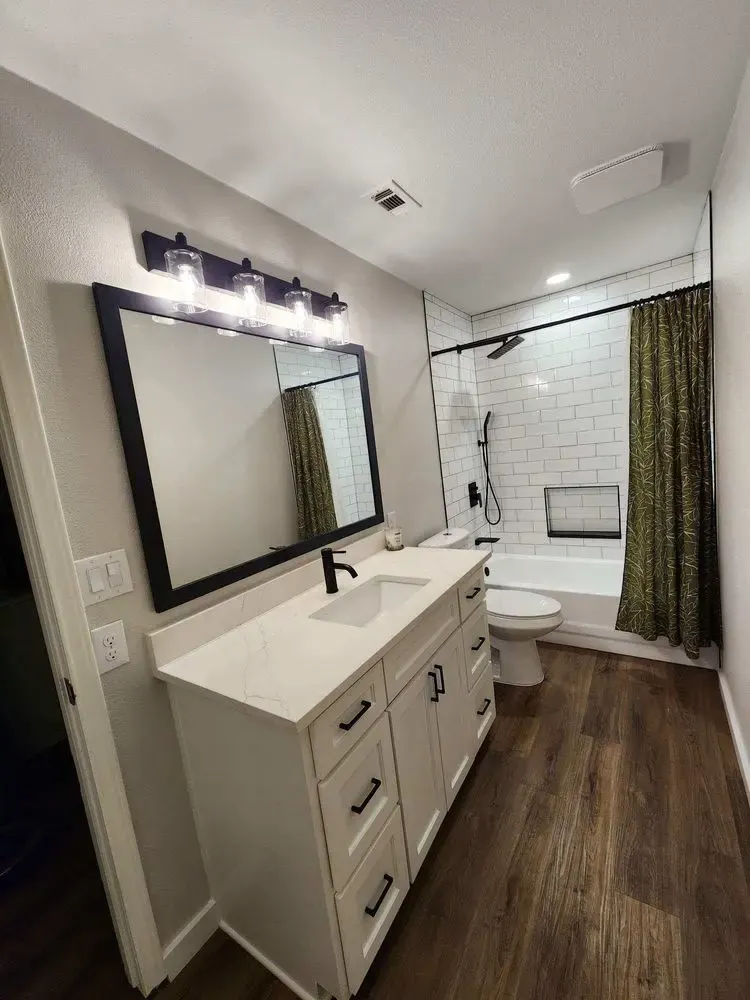
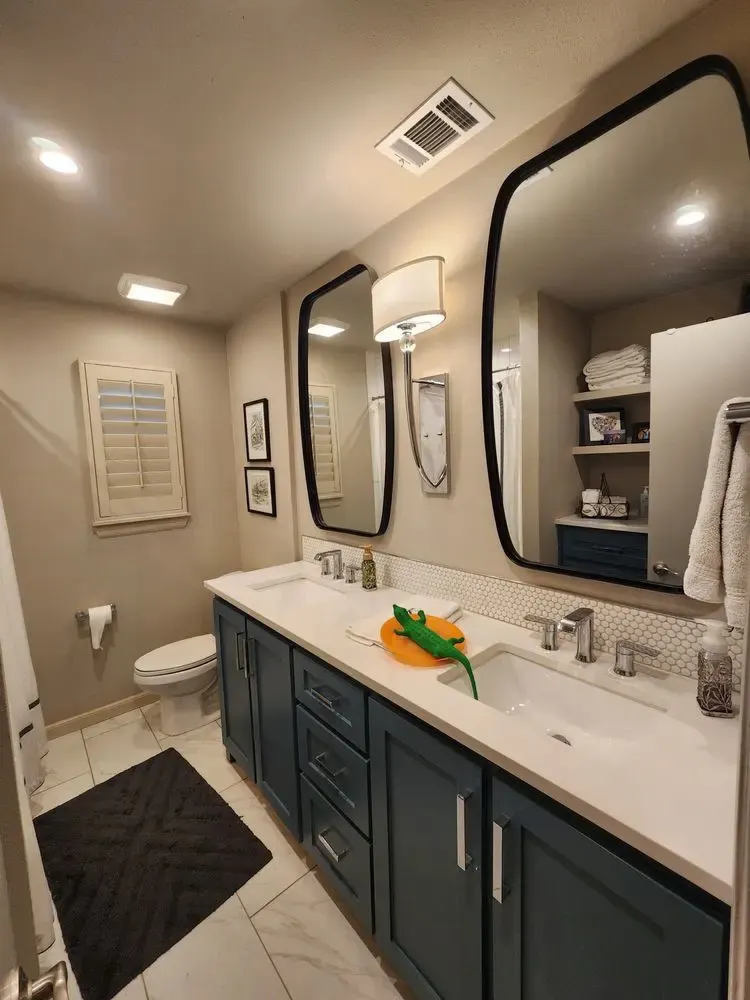
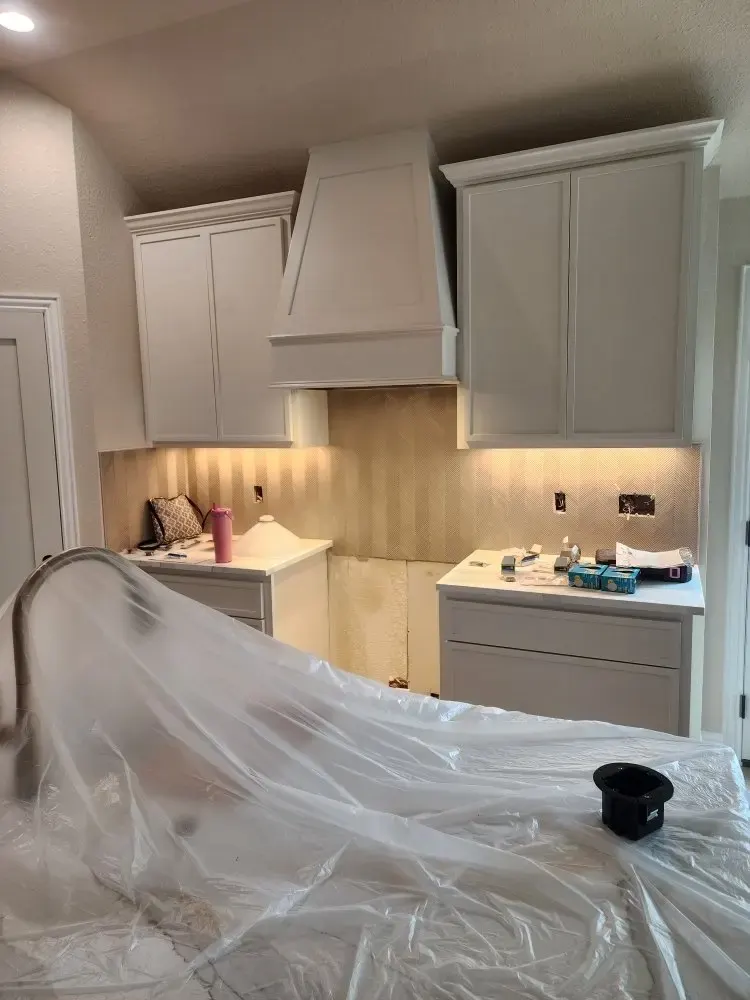
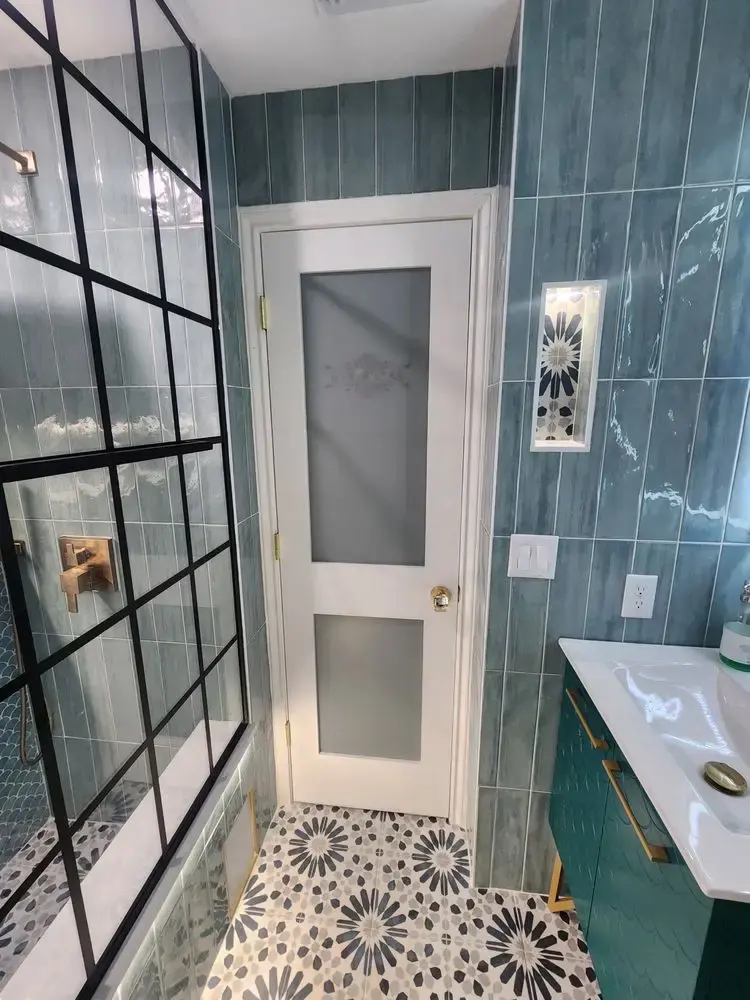
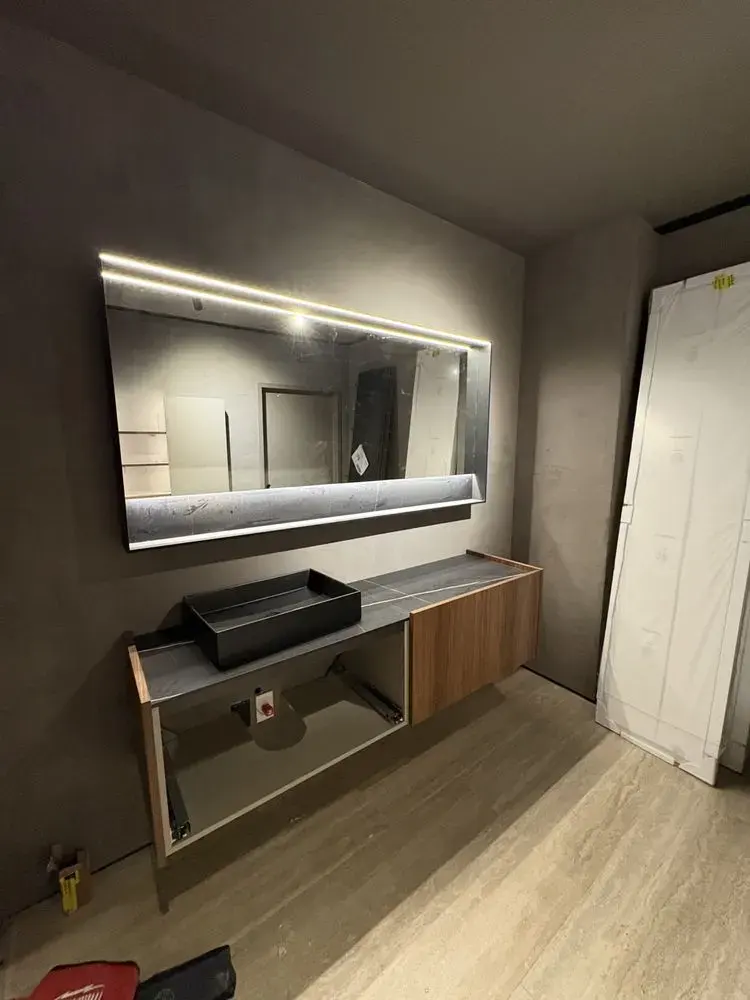
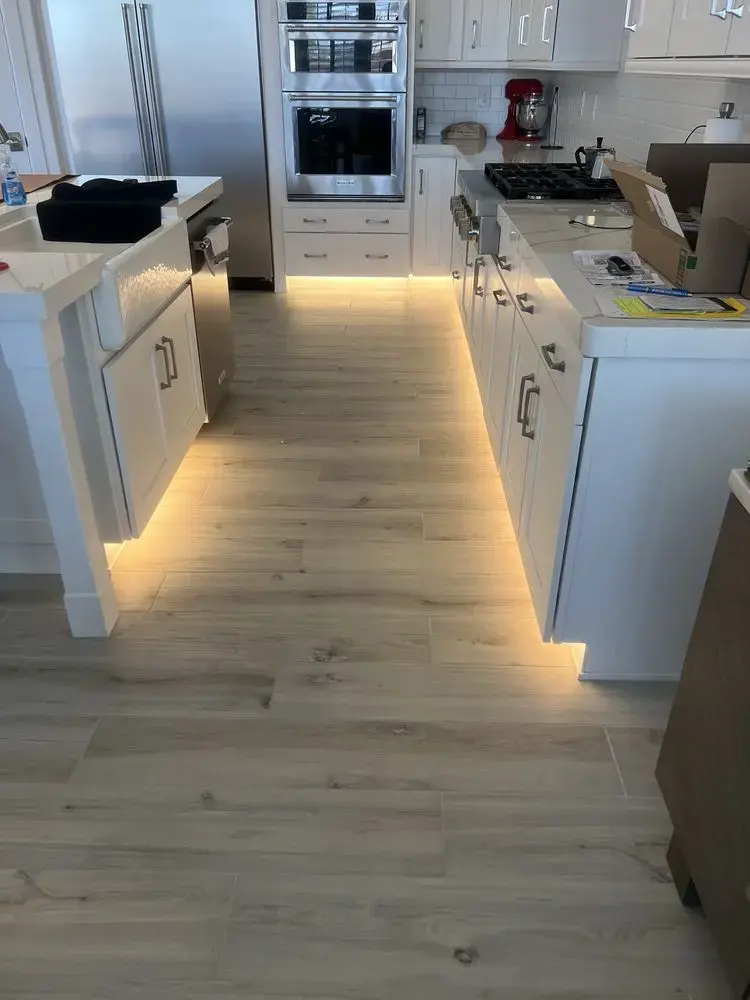
Our work




Cost
Rewiring has the widest price range of anything we do, and the reason is simple: the wiring itself is a small part of the cost. What you're really paying for is access getting new cable to every point in a house whose walls are already finished.
Each outlet, switch or fixture location
Walls closed, cable fished, patching needed
During a remodel — roughly half
Small-appliance circuits, GFCI, dedicated runs
GFCI, fan, vanity lighting, dedicated circuit
Each new run beyond the base scope
Walton County, whole-house scope
Per patch, more for lath and plaster
Most people expect a square-foot figure. Electricians rarely work that way on a rewire, and understanding why makes every quote you receive readable.
The unit is the opening. Every outlet, switch and fixture location is a place where cable has to arrive, a box has to be fitted, and a hole probably has to be made and repaired. Each one is commonly $100 to $350 depending on how hard it is to reach.
A typical 1,500 square foot Monroe home needs somewhere around 20 to 30 circuits and considerably more openings than that. Multiply it out and you have the shape of the quote.
Ask this before you sign anything
When Monroe homeowners call us about a rewire, the first question is almost never the price. It's some version of how wrecked is my house going to be?
That's the right question, and it has a specific answer. Ask every electrician bidding the job how many wall and ceiling openings they anticipate, and where. Ask before you sign, not after.
An electrician who can answer that has walked the house properly, checked the attic, looked at the basement or crawl space, worked out which runs can be done from above and which can't. One who can't answer it hasn't, and you'll find out in a fortnight when the drywall dust starts.
You get that count in writing with the quote. It's not a guarantee to the exact hole - old houses surprise everyone but it's an honest estimate from someone who looked, and it's the difference between a project you can plan around and one that just happens to you.
If a kitchen or bathroom remodel is already planned, rewiring those areas at the same time costs far less than paying to open the same walls twice.
What's behind your walls
Walton County has housing stock spanning more than a century, and three particular wiring types come up again and again. Each has a different problem and a different cost to deal with.
Cloth-covered conductors run through ceramic knobs and tubes. No ground wire at all, insulation degrades with age, and it overheats badly when buried under modern blown-in insulation. The most labour-intensive to remove — every old connection has to come out carefully.
Used during a copper shortage. Aluminium expands and contracts more than copper, so connections work loose over decades and begin to arc at terminations. The wire itself is usually fine — it's the connections that fail.
Early cable with a hot and a neutral but no ground. Often given away by three-prong outlets that have no actual ground behind them — someone swapped the receptacle without changing the wiring. The least complex of the three to replace.
On aluminium, one honest point. Approved connector repairs at every termination - COPALUM crimps or AlumiConn connectors are a recognised mitigation, and for some homes they're a sensible answer. But they're a mitigation, not a cure: the aluminium stays in the walls. If someone offers you connectors as a permanent fix, that's the word they should be using. And if your insurer is the reason you're doing this, ask them first whether connectors satisfy them - several won't accept anything short of replacement.
The usual trigger
For a lot of the Monroe homeowners who call us, the insurer got there first. It's now the most common reason a rewire stops being a someday project and becomes a dated one.
Insurers treat old wiring as a quantifiable fire risk, and they respond in one of three ways:
Aluminium branch wiring gets asked about almost as often, and two-wire ungrounded circuits are usually a smaller concern.
What exactly will satisfy you? The answers vary more than people expect — full replacement, replacement of specific circuits, or approved connectors on aluminium. Getting that in writing before work starts is worth an afternoon, because the alternative is doing a job that doesn't clear the requirement.
After a rewire you get the closed permit, the inspection sign-off and a written description of the work with photographs — in a form you can send straight to your agent or underwriter. That paperwork is the point of the exercise if insurance is why you started.
For a Monroe home, partial rewiring is a real option and sometimes the right one. But there's a trap worth naming.
A partial rewire may not satisfy an insurance underwriter. If insurance is the reason you're doing this, doing half the house can mean paying for the work and still failing the requirement then paying again. Check first.
If you're staging it, we'll help you sequence it so each phase stands alone and nothing gets opened twice.
Timing
The same principle as new construction, and the numbers back it: a 1,500 square foot rewire runs $8,000 to $15,000 in a finished house, but $4,000 to $8,000 if the walls are already open for other work.
The heaviest electrical room in the house. Multiple small-appliance circuits, GFCI protection, dedicated runs for dishwasher, disposal and microwave, plus under-cabinet lighting.
GFCI protection, a properly vented fan, vanity lighting either side of the mirror, and usually a dedicated circuit that wasn't there before.
New square footage tied into an existing system — and usually the moment to check whether the service can carry what you're adding.
New circuits, egress lighting, GFCI where required, and often a subpanel because the main is already full.
Often the easiest access in the house — and the moment when running new circuits to the floors below becomes straightforward.
Turning a garage into living space changes the code requirements entirely — outlet spacing, lighting, heating loads and often a new circuit or two.
Talk to us before the demolition starts, not after. Once a contractor has the walls open, there's a window where electrical work is dramatically cheaper and it closes when the insulation goes back. If a remodel is planned, that's the moment to decide how much rewiring to fold into it.
On a job this size the quotes will vary by thousands, and often they're not describing the same work. Before comparing bottom lines, check each one specifies: the number of circuits, who patches the walls, whether the panel is included, whether permits and inspections are in the price, and what the opening count is. Two quotes that differ by $4,000 usually differ by more than $4,000 of scope.
Permits
In Monroe and across Walton County: for a rewire, always. Replacing branch circuits is exactly the kind of work permits exist for, and on a whole-house scope there will usually be more than one inspection as the work progresses.
This is not a corner worth cutting on this particular job, for a reason specific to rewiring: if insurance is why you're doing it, unpermitted work may not count. An underwriter asking for documented replacement wants documentation, and a permit with an inspection sign-off is what that means.
Keep all of it. It answers the insurer now and the buyer's inspector in ten years.
Step 01
We look at attic and crawl space access, wall construction and existing wiring, then give you the opening count in writing with the quote.
Step 02
Which rooms, in what order, and whether it's staged. If you're living there, we plan around which rooms lose power when.
Step 03
Filed with Walton County. Work usually runs room by room or floor by floor so the house stays liveable.
Step 04
Rewiring and renovation questions
FAQ
Nationally, rewiring a finished home runs $8 to $17 per square foot, or roughly $12,000 to $36,000 depending on size. A 1,500 square foot home typically falls between $8,000 and $15,000 when walls are closed, dropping to $4,000 to $8,000 if a remodel already has them open. Remodel electrical is usually quoted per opening - each outlet, switch or fixture location - commonly $100 to $350 each. Access, wall construction and wiring type decide where you land.
A kitchen rewire runs $2,000 to $8,000 with $4,000 the national average, or $10 to $20 per linear foot. A full kitchen electrical upgrade with all dedicated circuits, under-cabinet lighting and new switching runs $2,500 to $10,000. Each dedicated appliance circuit is roughly $400 to $800.
Increasingly, yes - it's now the most common trigger. Insurers respond to old wiring in three ways: a premium surcharge, a condition requiring replacement within a set window, or refusing to write the policy at all. Knob-and-tube draws the strongest reaction and aluminium branch wiring gets asked about frequently. Before committing to any scope, ask your underwriter exactly what will satisfy them and get it in writing.
Sometimes, and it can be the right call - particularly if only some circuits are the old type, or if a remodel is opening specific walls. But be careful if insurance is your reason: a partial rewire may not satisfy an underwriter, which means paying for the work and still failing the requirement. Check what they'll accept first.
Three things. It has no ground wire at all, which modern three-prong appliances assume. Its cloth insulation degrades over decades. And it was designed to shed heat into open air, so it overheats badly when buried under the blown-in insulation most homes have added since. It's also the most labour-intensive wiring to remove, since every old connection has to come out carefully.
They mitigate it rather than cure it. Approved connectors at every termination - COPALUM crimps or AlumiConn connectors - address the failure point, which is the connections rather than the wire. But the aluminium stays in the walls, and that's the honest description. If your insurer is the reason for the work, ask them first whether connectors satisfy them, because several won't accept anything short of replacement.
Yes, considerably. Working within the existing layout keeps the electrical straightforward. Moving plumbing and electrical to a new layout adds $5,000 to $15,000 on a kitchen or bath. Worth deciding before the design is finalised rather than after.
This is the single biggest source of disputes on rewiring jobs, so make sure every quote you receive answers it - including ours. Some electricians include patching, some leave a clean hole for your decorator, and the difference can be thousands of dollars on a whole-house job. Drywall patches commonly run $300 to $1,500 each nationally, and lath and plaster costs more again.
Because once an electrician works on that room, the existing non-compliant wiring becomes their responsibility. We cannot connect new work to a circuit that does not meet code. Bringing a bathroom up to standard, meaning GFCI protection, a dedicated 20 amp circuit and proper grounding, runs $500 to $2,500. We flag it at the walkthrough rather than mid-project.
Usually, yes. If the panel is old, full or an obsolete brand, doing both at once saves a second visit and a second permit. A rewire also frequently reveals that the existing panel or service can't support the circuit count a modern house needs. We'll tell you at the walkthrough whether that applies to yours.
Related services
Panel
Nearly always worth doing at the same time — one visit, one permit.
100A → 200A
When the circuit count a modern house needs exceeds what the service can carry.
Inspection
The written report that usually tells you what you're dealing with in the first place.
Circuits
The cheapest time to add outlets and circuits is while the walls are already open.
Lighting
Roughly half the per-light cost during a remodel with ceilings open.
New build
Additions and ADUs, where the same work happens with no walls to open.
Ready when you are
A walkthrough of your Monroe home, an opening count in writing, a clear answer on who patches what, and documentation your insurer will accept at the end.