- 511 E Spring St, Monroe, GA 30655
- Mon–Fri 8AM–5PM
New construction electrical runs from temporary power through rough-in to trim-out, and the whole system gets designed before a single cable is pulled.
Next Gen Electric Co. wires custom homes, ADUs and light commercial builds across Monroe - coordinated to your framing schedule, inspected at each stage, and specified so nobody is opening finished walls in eighteen months.
What a typical Monroe project looks like.
GOOD Based on 12 reviews
 Posted on Google

 Jabari Blevins
Trustindex verifies that the original source of the review is Google.
Next Gen Electric Co. helped us with an electrical service upgrade in Monroe GA. They walked us through what needed to be done and kept everything organized throughout the job. The work was completed professionally, and the whole process went smoothly.Posted on Google Dante PhelpsI had a great experience with Next Gen Electric Co. when I needed a licensed electrician in Monroe GA. They were professional, arrived on time, and explained the work clearly before getting started. Everything was handled carefully, and I was happy with the service.Posted on Google
 Milton E. WadeWe hired Next Gen Electric Co. for a lighting installation in Monroe GA, and they did a really nice job. The crew was punctual, careful around the house, and made sure all the lights were working properly before leaving. Very happy with the finished work.Posted on Google
 Perry TannerCreativity made the difference in our outdoor patio heater project with Next Gen Electric. The heaters were at the opposite end of the house from the breaker panel, requiring a panel upgrade and careful routing of power through the attic, behind exterior walls, and through the patio ceiling to the control switches and each heater. The team found thoughtful ways to conceal the heavy-duty wiring, keeping the patio’s appearance residential rather than industrial. They positioned the heaters to warm two separate areas, with independent controls so we can heat either area as needed. They accomplished all of this within a reasonable budget. We appreciated their practical problem-solving and attention to both function and appearance!Posted on Google
 Nice MNext Gen Electric Co. did a circuit installation in Monroe GA for us, and I was impressed with how organized the work was. They took the time to explain what they were doing and finished everything cleanly. The whole process was straightforward and professional.Posted on Google
 James PetersonI had Next Gen Electric Co. handle an EV charger installation in Monroe GA, and everything went smoothly. They explained the setup beforehand, completed the installation neatly, and made sure the charger was working properly. Great experience from start to finish.Posted on Google
 David R McCuneCalled Next Gen Electric Co for an EV charger installation in Monroe GA after struggling to find a reliable electrician. They walked me through the whole process, gave me an upfront quote, and had everything installed the same week. Since then I've also used them as my go-to electrician in Monroe GA for smaller repairs. Always professional and on time.Posted on Google
 Mike JohnsonI needed an electrician in Monroe GA for some panel work and called Next Gen Electric Co after a friend recommended them. They showed up on time, explained everything clearly, and finished the job without any issues. I also had them do EV charger installation in Monroe GA for my garage, and it works perfectly. Fair pricing and honest service. Highly recommend them to anyone looking for a reliable electrician in the area.
Our work

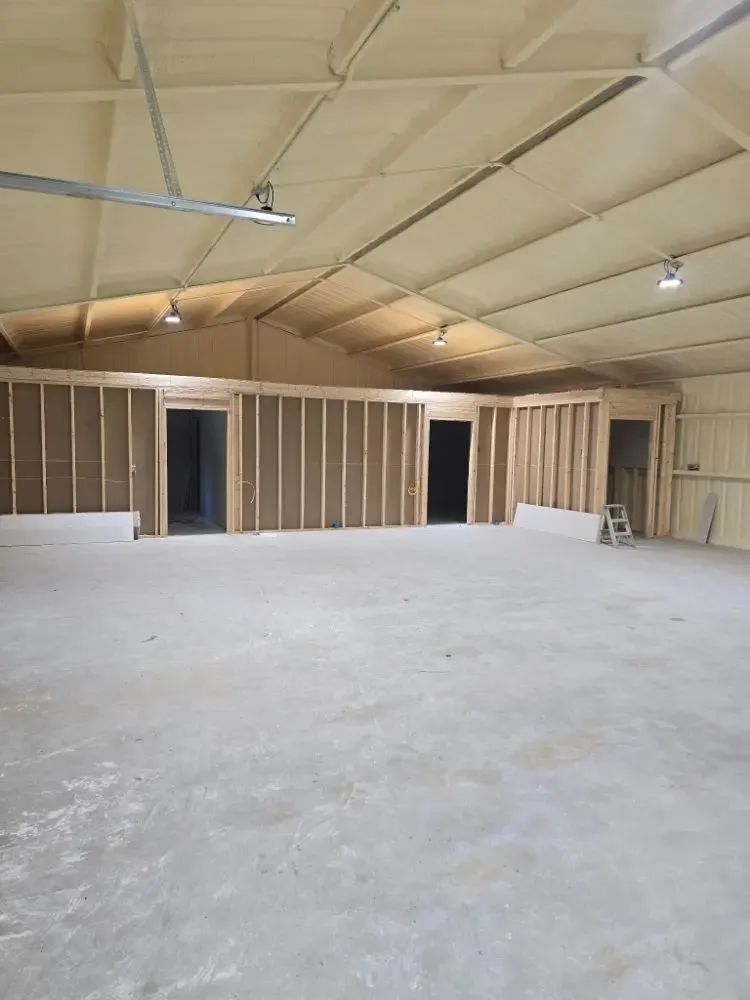
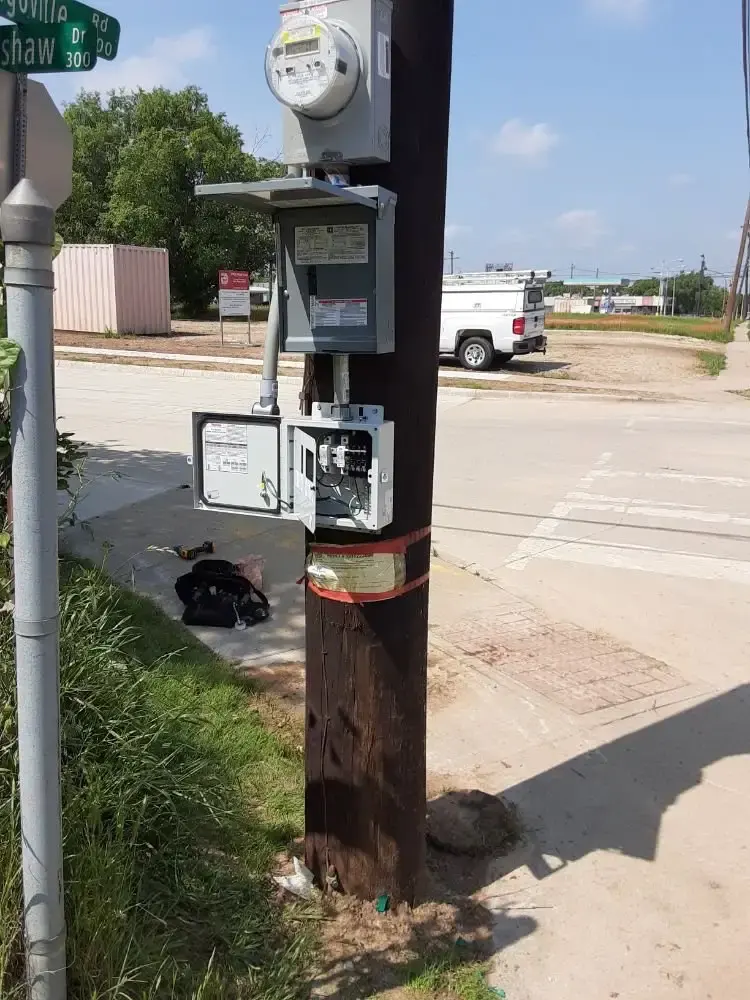
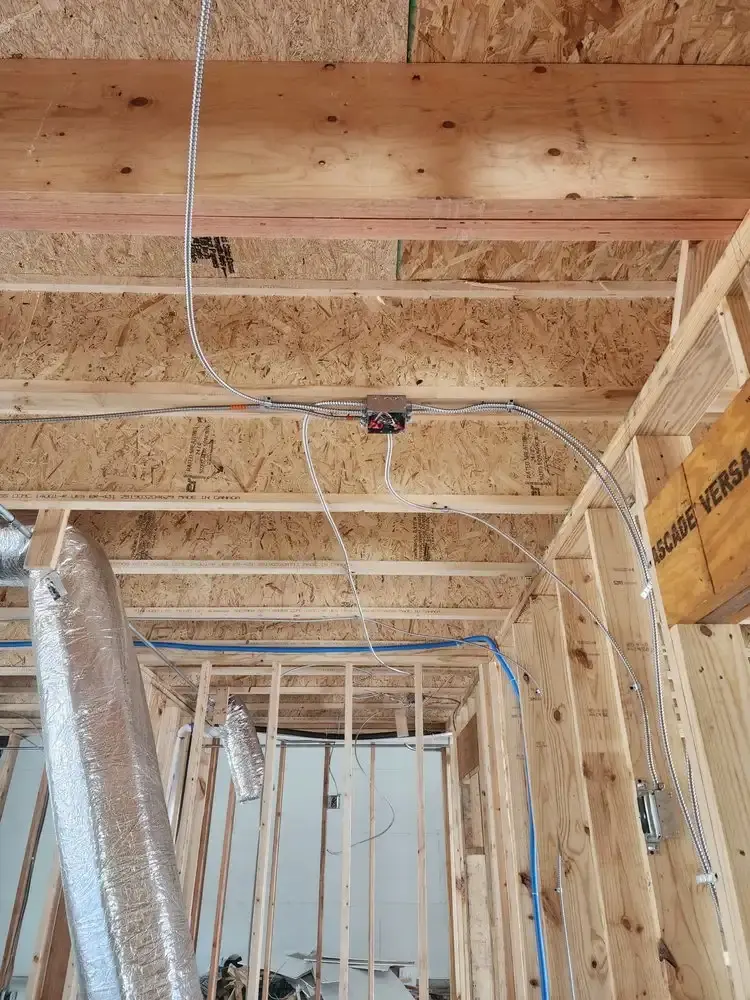
Cost
A per-square-foot figure is a starting point, not a quote. The same 2,200 square foot house can be wired very differently depending on how many circuits, how much lighting, what the appliance loads are and whether there's EV charging or a generator in the plan. What follows is the national benchmark - your real number comes from the plans.
Cable, boxes, home runs, before drywall
Rough-in, trim-out, panel, devices, fixtures fitted
Added lighting control, data, automation, EV
Standard shell and fit-out
Service entrance, meter, main panel
Complete system, 2,000–2,500 sq ft home
New construction wiring $4–$9 per sq ft installed, rough-in alone $2–$4, complete systems $12,000–$40,000 with most 2,000–2,500 sq ft homes landing at $18,000–$28,000, and panel and service $1,500–$3,500. Standard light commercial runs $7–$15 per sq ft.
A very low fee usually means a visual walk-round without opening the panel. That isn't worthleThis is the most useful number on the page, and it isn't an opinion.ss, but it also isn't what a lender or an underwriter is asking for. Ask any inspector whether the panel cover comes off - if it doesn't, you're buying a look, not an inspection.
The difference is entirely access. Right now every stud bay is open, every joist is reachable, and a cable run takes minutes. After drywall, the same run means cutting, fishing, patching and painting and someone has to live in the house while it happens.
That gap is why every recommendation further down this page is worth taking seriously. Not because more is better, but because the things you'd regret leaving out cost several times as much to add afterwards.
How a build runs
Electrical work on a new house happens in three separate visits, spread across months, each tied to what the other trades are doing.
Step 01
A temp pole and service so the site has power for tools and lighting before the house exists. Coordinated with the utility, and usually the first electrical work on the job. On Monroe sites this is often what sets the pace for everything else.
Step 02
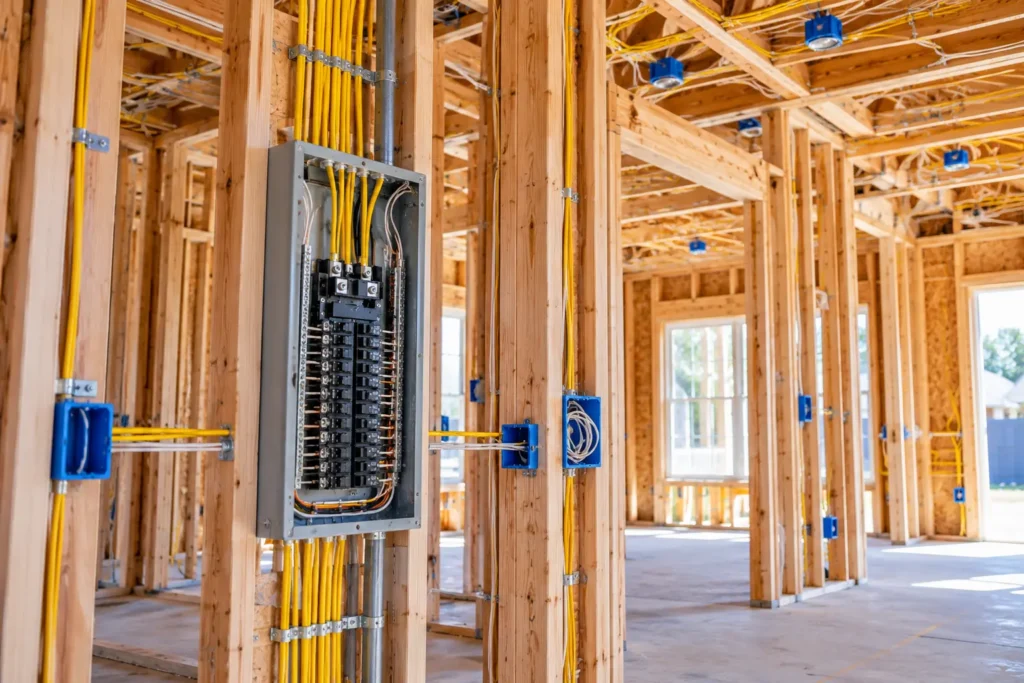
Once framing is up and before insulation goes in. Every cable is pulled, every box is set, every home run lands at the panel, and the whole thing gets inspected. Two to four days for a standard Monroe home. This is the point of no return after this, changes get expensive.
Step 03
After drywall, paint and cabinets. Devices, switches, fixtures, the panel finished and labelled, everything tested, and the final inspection. One to three days, and it's what the certificate of occupancy waits on.
The gap between rough-in and trim-out is usually months. That's normal - insulation, drywall, flooring, paint and cabinetry all happen in between. What matters is that the rough-in is complete and correct, because everything after it assumes so.
Scope
This is the checklist we walk clients through, and it's worth going through room by room with the plans in front of you. Everything here is easy now. None of it is easy in six months.
The one people regret most is outlet placement. Not the count - the position. Walk the plans imagining where the bed goes, which side the lamp sits, where the TV wall is, and where you'll charge things. It costs nothing to move an outlet on paper.
Cheap now, expensive later
None of the following is required by code. All of it is trivial to include during rough-in and genuinely painful to retrofit - which is the only reason it's worth raising at all.
You don't have to buy the equipment now. In several cases the useful thing is simply leaving the path open a conduit, a spare slot, a stubbed circuit - so the future job becomes an afternoon instead of a project.
We'll tell you which of these are worth it for your build and which are being suggested to you because they're profitable. Not everything on this list applies to every house.
The last row is the one people underestimate. Retrofit work isn't just dearer - it happens in a house you're living in.
For builders & GCs
It isn't the price. Price matters, but you can find a cheaper number any week. What you can't easily find is an electrical contractor who turns up on the day the schedule says and passes inspection first time.
A late rough-in doesn't just delay the electrician. It holds insulation, drywall, and every trade queued behind them. A failed inspection does the same thing with a re-inspection wait attached.
If you're a Monroe or Walton County builder who's been let down on schedule before, that's the conversation we'd like to have. Send the plans and we'll come back with a day count as well as a number.
Inspections
Two inspections on a standard residential build, and they sit at very specific moments in the schedule.
After all cable is pulled and boxes are set, before insulation and drywall. The inspector checks conductor sizing, box fill, secure fixing, nail plate protection, home runs, and that grounding and bonding are correct.
This one gates the whole job. Insulation can't go in until it passes, so a fail here costs the schedule directly.
After trim-out, before occupancy. Devices, fixtures, GFCI and AFCI protection, tamper-resistant receptacles, smoke and CO alarm interconnection, panel labelling, and the whole system tested.
The certificate of occupancy waits on this, so it's usually near the top of everyone's mind by then.
We pull the permits, book both inspections, and meet the inspector on site ourselves. You get the closed paperwork at the end, which matters more than people expect - it's the first thing a buyer's inspector asks about years later.
The best time to talk to an electrician is when the drawings still change easily - before framing, ideally. We'll walk the plans with you, flag the decisions that need making, price it properly from a real scope rather than a square-foot guess, and tell you which of the future-proofing items are genuinely worth it on your particular build.
What we wire
Residential, commercial and industrial under one licence - which matters on the projects that don't fit neatly into one box.
Full rough-in to trim-out on single builds, working directly with your GC or with you if you're managing it yourself.
Separate structures need their own feed, disconnect and grounding - a small building with a full set of requirements.
New square footage tied into an existing system and usually the moment to check whether the service can carry what you're adding.
Shells and fit-outs, retail units, offices and small industrial - including three-phase service and equipment circuits.
Builders running several homes at once. Talk to us about scheduling across a phase rather than lot by lot.
Common out toward Good Hope and Lake Oconee - feeders, disconnects, grounding and equipment circuits for detached structures.
Talk to us before the demolition starts, not after. Once a contractor has the walls open, there's a window where electrical work is dramatically cheaper and it closes when the insulation goes back. If a remodel is planned, that's the moment to decide how much rewiring to fold into it.
FAQ
National 2026 benchmarks put new construction wiring at $4 to $9 per square foot installed, with rough-in alone at $2 to $4. A complete system on a 2,000 to 2,500 square foot home commonly lands between $18,000 and $28,000, within a wider $12,000 to $40,000 range. The real driver isn't square footage — it's circuit count, lighting scope, service size and special loads like EV charging or a generator. We price from the plans rather than a square-foot average.
Rough-in happens after framing and before insulation: every cable is pulled, every box is set, and home runs land at the panel. Trim-out happens after drywall, paint and cabinets: devices, switches, fixtures and the finished panel. There's usually a gap of months between them while other trades work, and each stage has its own inspection.
Practically speaking, once insulation and drywall go in. Before that, moving an outlet or adding a circuit is minutes of work. After it, the same change means cutting open finished walls, running cable, then patching and painting. That's why we walk the plans with you before rough-in rather than after.
Two to four days for a standard Monroe home, depending on size, circuit count and layout complexity. Trim-out adds another one to three days later in the build. For builders we'll give a specific day count from your plans rather than a range, because your schedule depends on it.
It's usually worth it. Running a 240V circuit to the garage wall during rough-in costs a fraction of adding it once the house is finished, and it's the single most common thing people wish they'd done. If you'd rather not commit, the middle option is leaving spare panel capacity and a conduit path so the future job is straightforward.
Access. New construction runs $4 to $9 per square foot while rewiring an existing home runs $5 to $17. During a build every stud bay is open and a cable run takes minutes. In a finished house the same run means cutting, fishing, patching, painting — and it happens around people living there.
Yes, and it's a large part of what we do. What builders tell us matters most is schedule reliability and first-time inspection passes, because a late or failed rough-in holds up insulation, drywall and every trade behind them. Send us the plans and we'll come back with a day count as well as a price. We're happy to discuss multiple lots or phased work.
Two on a standard residential build. The rough-in inspection comes after cable and boxes are in but before insulation, checking conductor sizing, box fill, fixing, nail plate protection and grounding. The final inspection comes after trim-out and before occupancy, covering devices, GFCI and AFCI protection, tamper-resistant receptacles, smoke and CO interconnection and panel labelling. We pull the permits, book both, and meet the inspector.
200 amp is the standard for most new Monroe homes. Larger houses, all-electric builds, homes with two HVAC units, or anything with a pool, workshop or EV charging may need more. It comes out of a load calculation on the actual plan rather than a rule of thumb — and it's much cheaper to size it correctly now than to upgrade the service in five years.
Yes. We wire shells and fit-outs, retail units, offices and small industrial premises across Walton and Oconee County, including three-phase service, distribution boards and dedicated equipment circuits.
Related services
Panel
Nearly always worth doing at the same time — one visit, one permit.
100A → 200A
When the circuit count a modern house needs exceeds what the service can carry.
Inspection
The written report that usually tells you what you're dealing with in the first place.
Circuits
The cheapest time to add outlets and circuits is while the walls are already open.
Lighting
Roughly half the per-light cost during a remodel with ceilings open.
New build
Additions and ADUs, where the same work happens with no walls to open.
Ready when you are
Send us the drawings and we'll come back with a real scope, an itemised price, and a day count your schedule can rely on.